-
Why Employers Are Embracing Direct Primary Care: Cost Savings and Better Outcomes
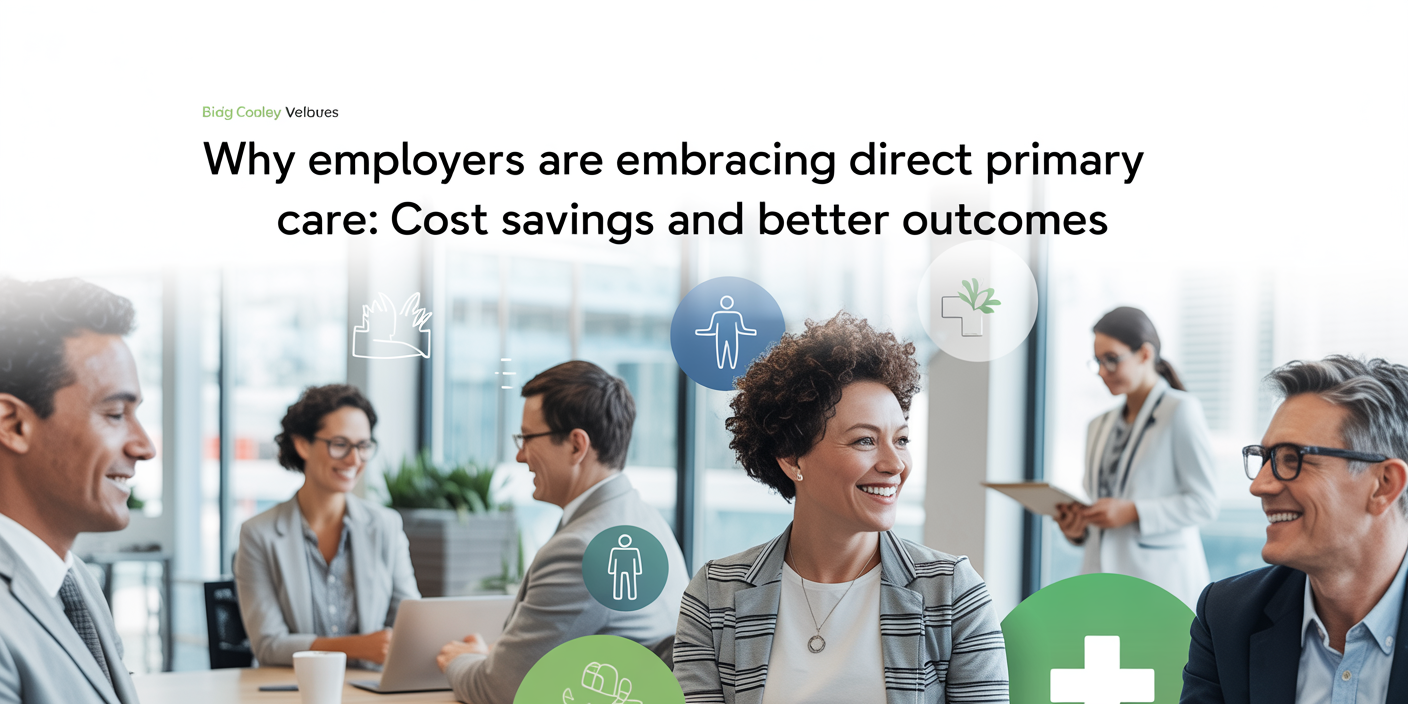
The healthcare landscape is shifting, and employers are taking notice. As traditional healthcare models strain under rising costs and declining employee satisfaction, a growing number of forward-thinking organizations are turning to direct primary care to revolutionize their workplace healthcare strategies. This innovative approach to employee benefits is delivering measurable results: reduced healthcare expenditures, improved employee wellness, and a stronger…
-
Top 10 Strategies to Reduce Claim Denials in 2026

In the rapidly evolving landscape of healthcare reimbursement, claim denials remain a significant barrier to a healthy revenue cycle. As we move through 2026, the complexity of payer requirements and the integration of new AI-driven auditing tools by insurers mean that providers must be more proactive than ever. Reducing denials isn’t just about fixing errors…
-
Cybersecurity Essentials for Healthcare Billing Operations
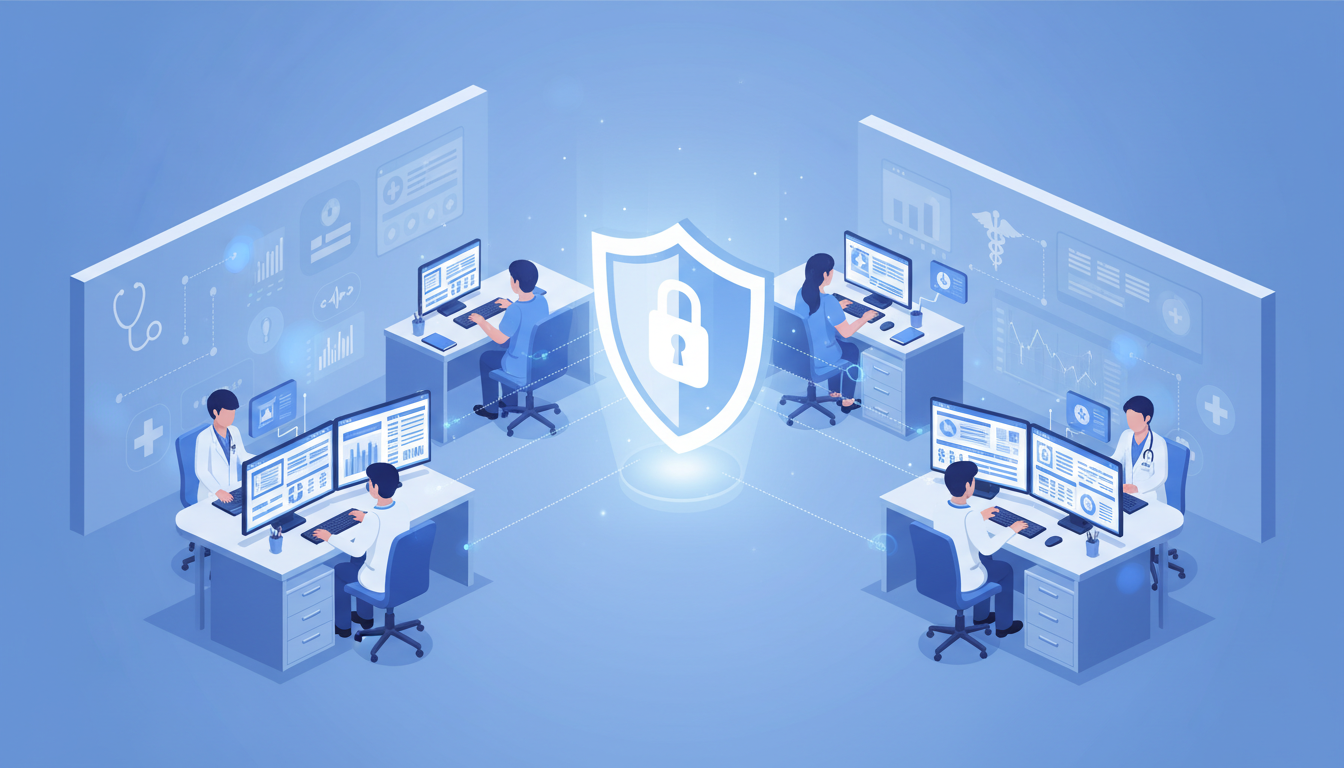
Healthcare billing operations sit at the intersection of patient care, financial data, and regulatory compliance. Every claim, payment record, eligibility check, and account update can involve protected health information, making billing systems a prime target for cybercriminals. For organizations handling medical billing, cybersecurity is no longer just an IT concern. It is a business-critical responsibility…
-
Navigating the Shift from Fee-for-Service to Value-Based Care: A Provider’s Roadmap
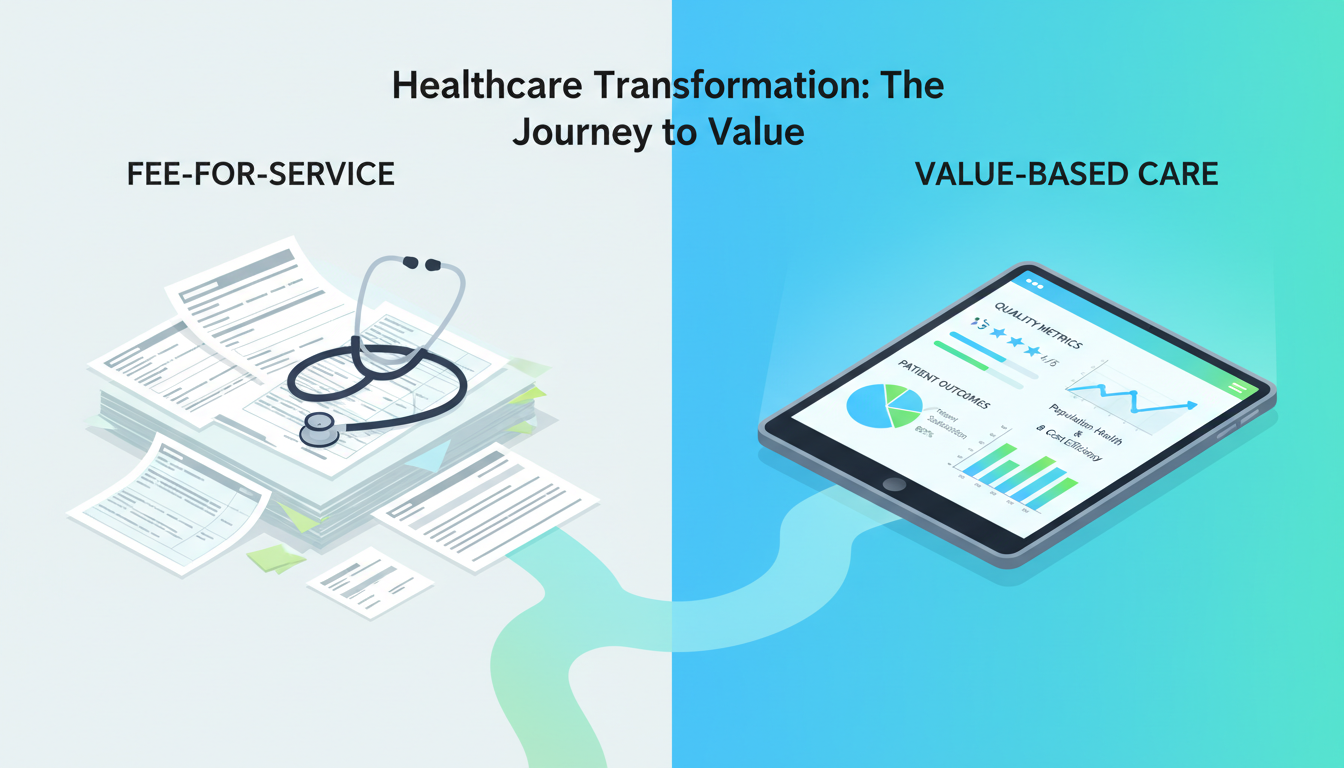
As healthcare costs rise and patient expectations grow, organizations across the U.S. are moving away from traditional fee-for-service (FFS) reimbursement toward value-based care. Instead of being paid purely based on volume of services delivered, providers are increasingly reimbursed based on the quality and outcomes of the care they provide. This shift can feel complex and…
-
How AI-Powered Automation is Transforming Medical Billing in 2026

The healthcare landscape has reached a pivotal turning point in 2026. For years, medical billing was defined by manual data entry, repetitive administrative tasks, and a constant tug-of-war between providers and payers over claim denials. Today, the integration of AI-powered automation has shifted the narrative from reactive management to proactive, high-efficiency revenue cycles. The Rise…
-
Common Legal Mistakes in Healthcare Partnership Agreements

In today’s regulated medical environment, healthcare partnerships can offer tremendous advantages — shared expertise, reduced administrative burden, expanded service offerings, and improved patient care. However, when partnership agreements are poorly structured or legally incomplete, they can quickly become a source of financial loss, regulatory scrutiny, or even license jeopardy. Below are the most common legal…
-
The 2026 Healthcare Staffing Crisis: A Breaking Point for Direct Care

The healthcare staffing crisis 2026 is no longer a prediction—it’s a lived reality across hospitals, long-term care facilities, home health agencies, and community clinics. From urban trauma centers to rural primary care practices, the pressure on the healthcare workforce has reached critical levels. Burnout, early retirements, regulatory complexity, and increasing patient acuity have combined to…
-
Patient Education Materials: Creating Resources for Direct Care Settings
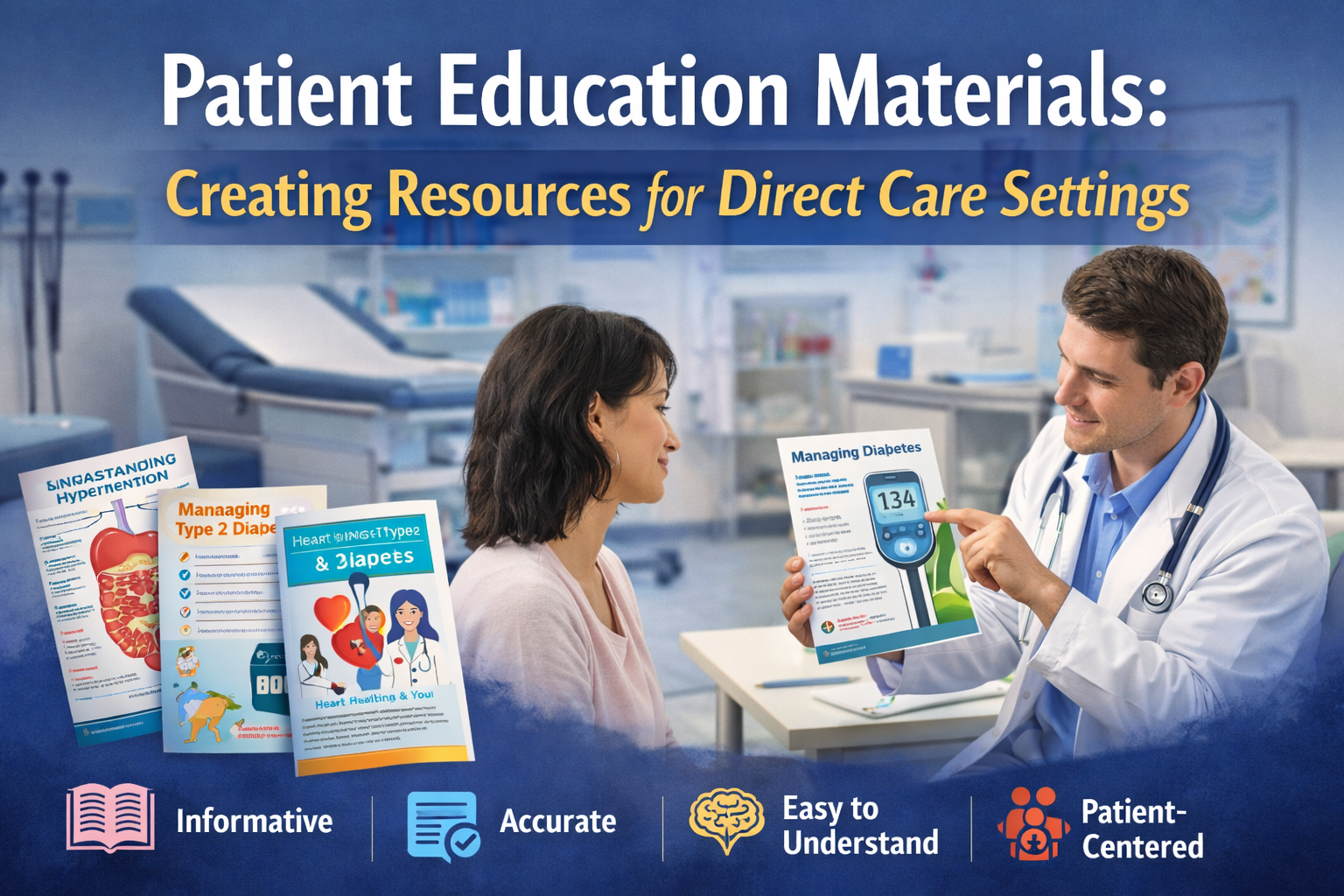
At Direct Care Clearinghouse, we understand the vital role that clear, accessible patient education materials play in improving health outcomes. Whether you’re a healthcare provider, educator, or administrator working in direct care settings, having effective patient education materials is essential to empower patients, enhance understanding, and promote healthier behaviors. Why Patient Education Materials Matter in…
-
The Science Behind Collaborative Care: Research‑Backed Benefits
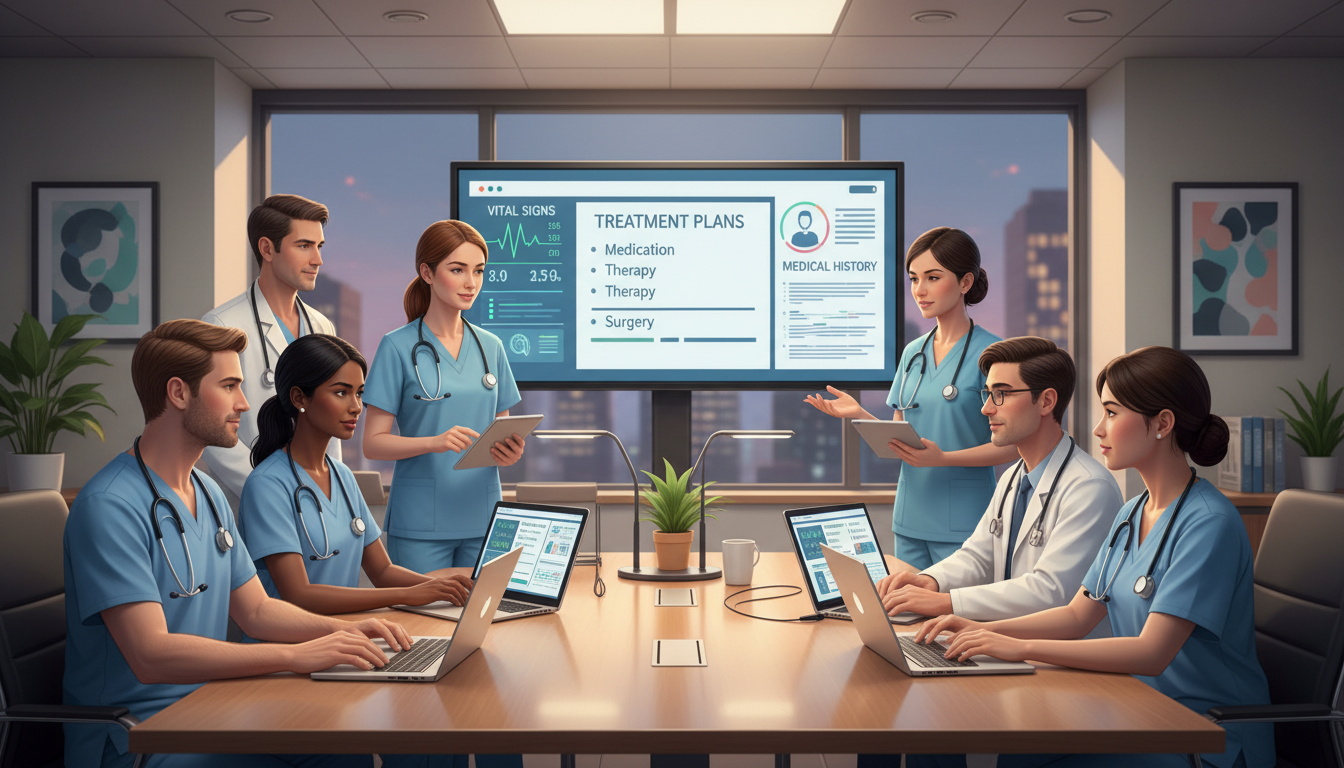
In modern healthcare, collaboration isn’t just a trend—it’s a scientifically validated approach that improves outcomes, strengthens care teams, and ensures patients receive holistic, coordinated treatment. Collaborative care brings together professionals across disciplines—physicians, nurses, social workers, mental health specialists, and more—to work toward shared goals. Today, research clearly demonstrates that this model isn’t simply beneficial; it’s…
-
Quality vs. Cost: Finding Affordable Healthcare Collaboration That Works (Value Analysis)

Healthcare practices today face a real operational dilemma: you can’t sacrifice quality, but you also can’t ignore costs. For nurse practitioners (NPs), clinics, and independent practices—especially those operating lean—collaboration requirements and partnership structures can become one of the most significant recurring expenses. The good news is that affordability and quality are not opposites when collaboration…
Search
Archive
Recent Posts
- The Role of Electronic Remittance Advice (ERA) in Streamlining Healthcare Payments

- CPT Code Updates for 2026: What Every Medical Coder Needs to Know

- How to Reduce Claim Denials and Improve First-Pass Acceptance Rates
- HIPAA Compliance Checklist for Medical Billing Teams in 2026
- Understanding EDI Transactions: A Beginner’s Guide for Healthcare Providers
Gallery