-
How to Evaluate and Switch Healthcare Clearinghouse Vendors Without Disrupting Operations

A Clearinghouse Change Is a Revenue-Cycle Project A healthcare clearinghouse helps a practice exchange administrative transactions with payers, including claims and electronic remittance advice. When the connection or service is unreliable, billing teams may face more exceptions, manual follow-up, and uncertainty about whether transactions reached their destination. Changing vendors can help address a genuine workflow…
-
How to Evaluate and Switch Healthcare Clearinghouse Vendors Without Disrupting Operations

Your Clearinghouse Is a Critical Operational Partner A healthcare clearinghouse connects your billing system with payers, helping transmit claims and exchange other administrative transactions. When that connection becomes unreliable, the consequences reach beyond the billing department: staff spend more time resolving exceptions, payment posting slows, and cash-flow forecasting becomes harder. Yet switching vendors creates its…
-
The Role of Electronic Remittance Advice (ERA) in Streamlining Healthcare Payments

Somewhere in every medical practice, there’s a billing specialist staring at a stack of paper Explanation of Benefits forms, manually keying payment data into a practice management system, and silently questioning their career choices. It’s tedious, error-prone, and — in 2026 — completely unnecessary. Electronic Remittance Advice, or ERA, has been around for years. But…
-
HIPAA Compliance Checklist for Medical Billing Teams in 2026
Medical billing teams sit at the crossroads of patient data and financial operations, handling everything from insurance claims to payment records loaded with electronic Protected Health Information (ePHI). That position makes them a prime target for both cyberattacks and regulatory scrutiny. With the Office for Civil Rights (OCR) resolving a record number of enforcement actions…
-
Understanding EDI Transactions: A Beginner’s Guide for Healthcare Providers

Electronic data interchange, or EDI, is the structured electronic exchange of administrative and financial information between healthcare providers, health plans, and clearinghouses. Practices use EDI to submit claims, verify coverage, check claim status, request prior authorization, and receive electronic remittance advice. EDI transactions healthcare workflows can initially seem complicated because exchanges are identified by numbers.…
-
Top Healthcare Clearinghouse Software Platforms Compared for Providers and Billing Teams

In the modern healthcare landscape, the financial health of a practice is just as vital as the clinical outcomes of its patients. As we’ve explored in our Revenue Cycle Management Guide, consistent cash flow depends on an efficient bridge between providers and payers. This is where healthcare clearinghouse software plays its most critical role—acting as…
-
Understanding HIPAA Compliance in Claims Processing and Healthcare Data Exchange

Every day, millions of healthcare claims traverse digital networks, carrying sensitive patient information from providers to insurers, pharmacies, and other healthcare entities. Behind these transactions lies a critical framework designed to protect patient privacy and security: the Health Insurance Portability and Accountability Act (HIPAA). Understanding HIPAA compliance in claims processing and healthcare data exchange isn’t…
-
What Is a Healthcare Clearinghouse and Why It Matters for Claims Processing
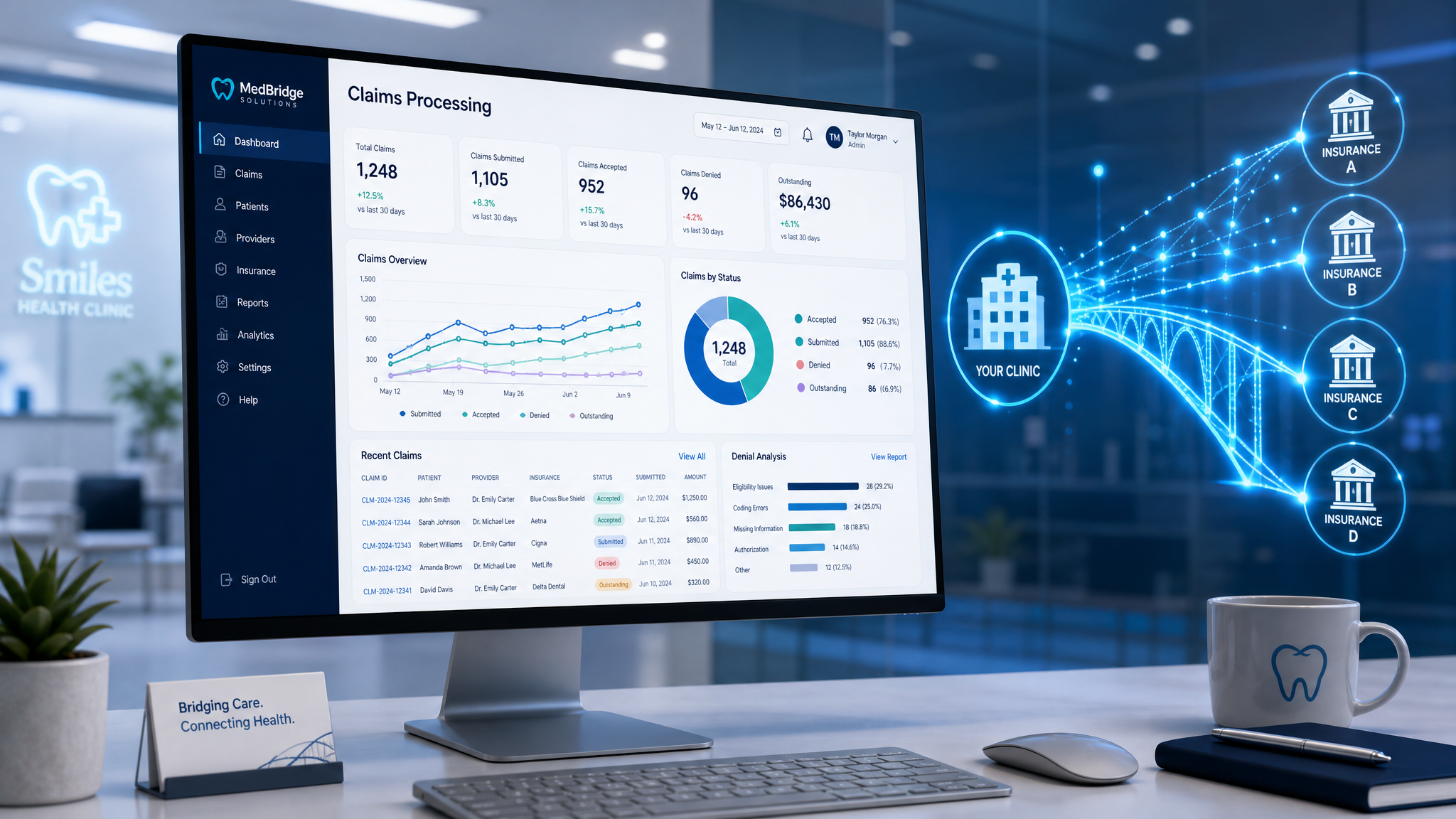
In today’s healthcare environment, accurate and efficient claims submission is essential for keeping revenue cycles healthy and operations running smoothly. Yet for many providers, the path from patient service to payer reimbursement is anything but simple. Insurance claims must be formatted correctly, checked for errors, transmitted securely, and tracked carefully to avoid delays or denials.…
-
Understanding the DPC Subscription Model: Pricing, Services, and Patient Expectations

Direct Primary Care, or DPC, is reshaping how patients and providers think about access, affordability, and ongoing preventive care. Instead of billing insurance for every office visit, labs review, or follow-up question, DPC practices typically charge a recurring monthly membership fee in exchange for a defined set of primary care services. For patients, this subscription…
-
Navigating the Shift from Fee-for-Service to Value-Based Care: A Provider’s Roadmap
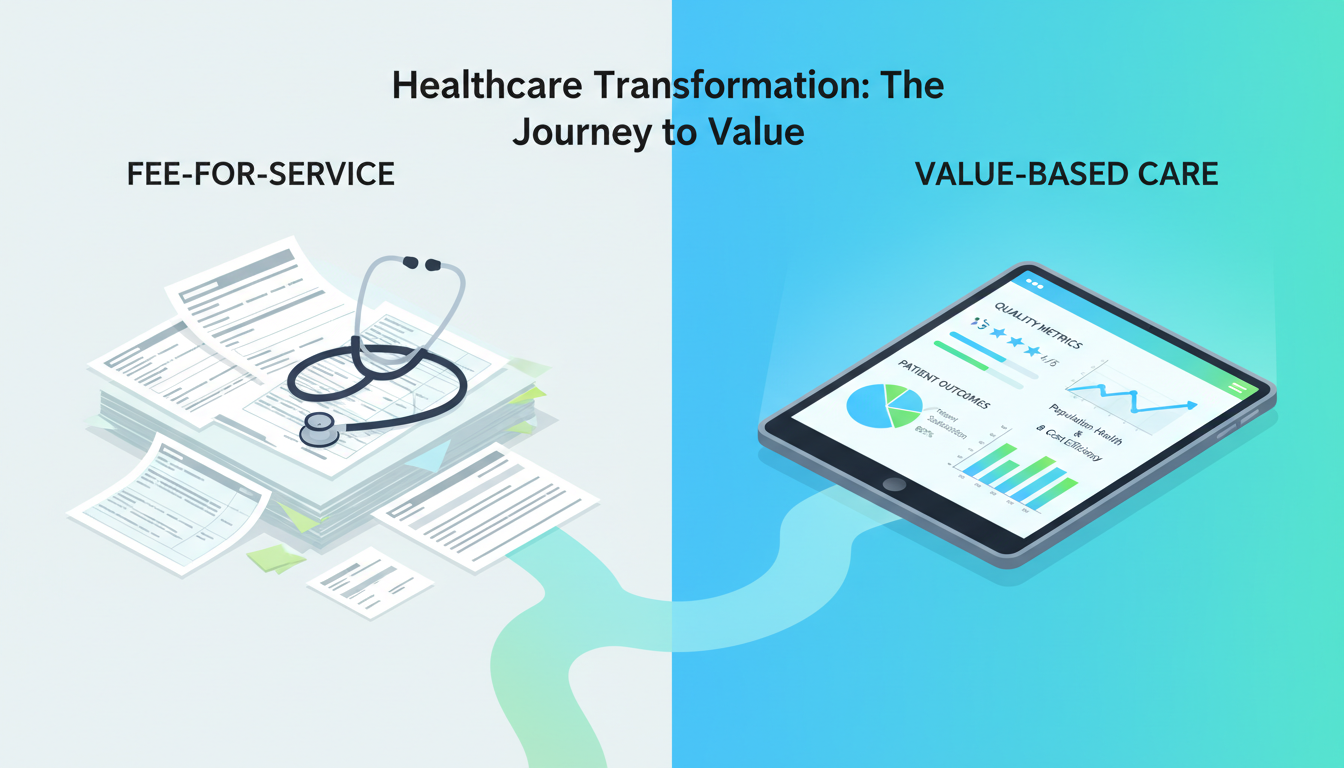
As healthcare costs rise and patient expectations grow, organizations across the U.S. are moving away from traditional fee-for-service (FFS) reimbursement toward value-based care. Instead of being paid purely based on volume of services delivered, providers are increasingly reimbursed based on the quality and outcomes of the care they provide. This shift can feel complex and…
Search
Archive
Recent Posts
- How to Evaluate and Switch Healthcare Clearinghouse Vendors Without Disrupting Operations

- How to Evaluate and Switch Healthcare Clearinghouse Vendors Without Disrupting Operations

- Prior Authorization Best Practices to Speed Up Reimbursement

- The Role of Electronic Remittance Advice (ERA) in Streamlining Healthcare Payments

- CPT Code Updates for 2026: What Every Medical Coder Needs to Know

Gallery