The home healthcare industry is experiencing the most significant boom in its history. Driven by an aging population, a chronic disease wave, and a healthcare system struggling under demand, the need for personalized, at-home medical care has never been greater.
At the center of this transformation stands a powerful and growing workforce: Nurse Practitioners (NPs).
As healthcare shifts from hospitals to homes, NPs are becoming indispensable—not just as care providers but as pillars of continuity, accessibility, and preventive care. This blog explores the rising demand for home healthcare, why NPs are uniquely positioned to lead this movement, and the role modern NP support platforms like NP Collaborator play in enabling their growth.
Table of Contents
- Growing Demand for Home Healthcare
- Why Home Care is Becoming the Preferred Option
- The Clinical & Economic Role of Nurse Practitioners in Home Healthcare
- What’s Driving NP Expansion in Home Care Settings
- Challenges NPs Face in Home Healthcare
- The Future of Home Healthcare: NP-Driven Care Models
- Expert NP Quote (For E-E-A-T)
- How NP Collaborator Supports NPs Entering Home Healthcare
- Conclusion & Industry Outlook
1. Growing Demand for Home Healthcare
Home healthcare is no longer a niche offering—it has become one of the fastest-growing segments in the healthcare sector worldwide.
📊 Key Statistics Driving Growth
- The U.S. home healthcare market is projected to reach $253 billion by 2030, growing at 7.9% CAGR.
- Over 10,000 Americans turn 65 every day, a trend that began in 2011 and will continue through 2030.
- 80% of older adults prefer to “age in place,” according to AARP.
- Chronic diseases—diabetes, heart disease, dementia—affect nearly 60% of Americans, increasing demand for home-based management.
This combination of demographic and clinical pressures has made home healthcare essential, not optional.
2. Why Home Care Is Becoming the Preferred Option
Home healthcare is gaining traction for several reasons:
✔ Patient Comfort & Safety
Patients prefer familiar surroundings, especially seniors and those with cognitive conditions.
✔ Lower Hospitalization Rates
Home-based care can reduce unnecessary ER visits by as much as 40%, according to CMS studies.
✔ Personalized One-on-One Care
Unlike overloaded clinical settings, home visits allow for extended assessments and patient-centered care.
✔ Cost-Efficiency
The average home healthcare visit costs 70–90% less than a hospital stay.
✔ Better Chronic Disease Management
From diabetes to hypertension, home monitoring reduces complications and improves long-term outcomes.
These advantages have positioned home healthcare as the future of care delivery—especially for older adults.
3. The Clinical & Economic Role of Nurse Practitioners in Home Healthcare
NPs bring a unique combination of advanced clinical training, patient-centered care, and community-level insight that perfectly aligns with home care requirements.
Why NPs Are Ideal for Home Healthcare
- Trained to diagnose, treat, and manage chronic and acute illnesses
- Cost-effective compared to physician-only models
- Trusted as primary care providers in underserved regions
- Provide holistic care—physical, mental, lifestyle, and preventive
- Offer continuity, reducing fragmented care
Economic Advantage
Studies show that NPs deliver equivalent clinical outcomes to physicians for primary care—and in many cases, higher patient satisfaction.
For home care agencies facing clinical staffing shortages, NPs are the key to expanding capacity without sacrificing quality.
4. What’s Driving NP Expansion in Home Care Settings?
The surge in NP involvement in home healthcare is driven by several factors:
1. Physician Shortage
By 2034, the U.S. could face a shortage of 124,000 physicians, making NPs critical for frontline care.
2. Rise of Chronic Illness Management
NPs excel at long-term monitoring, care coordination, and preventive strategies—core components of home care.
3. Increased Autonomy in Many States
More states are adopting Full Practice Authority (FPA), enabling NPs to operate independently or with collaborative support.
4. Medicare & Medicaid Reimbursement
Policy changes now make NP-led home care more financially viable.
5. Telehealth + Home Visit Hybrid Models
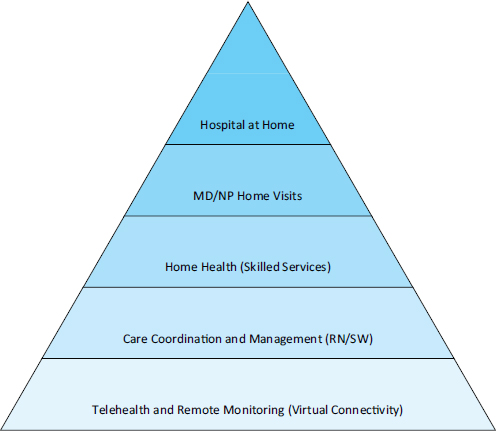
NPs can seamlessly combine remote monitoring with in-person visits.
This makes them one of the most scalable solutions for modern home healthcare systems.
5. Challenges NPs Face in Home Healthcare
Despite increasing opportunities, NPs also face barriers:
✔ Collaborative Practice Agreements (in restricted states)
Certain states still require physician collaboration for prescribing or practice expansion.
✔ Administrative Burden
Documentation, compliance, and care coordination consume significant time.
✔ Access to Technology & Tools
Not all home care settings are fully equipped for advanced clinical documentation.
✔ Regulatory Complexity
State-specific regulations can be confusing for agencies and independent NPs.
✔ Workforce Burnout
Demand outweighs supply—resulting in overwhelming schedules.
These challenges create the need for structured NP support systems.
6. The Future of Home Healthcare: NP-Driven Care Models
We’re entering a period where home-based care will become a default, not an alternative.
Future Trends
- NP-led home healthcare practices in FPA states
- Hospital-at-home models expanding nationwide
- More reimbursement pathways for transitional care and chronic care
- AI-supported home monitoring
- Mobile diagnostic tools enabling more advanced in-home assessments
- NP–physician collaborative networks, especially through digital platforms
NPs will be central to meeting clinical demand, reducing healthcare costs, and improving population health results.
8. How NP Collaborator Supports NPs Entering Home Healthcare
As home healthcare demand surges, more NPs want to expand into home-based or independent practice. But regulatory requirements—especially in restricted or reduced practice states—can be a barrier.
What NP Collaborator Helps With
- Provides streamlined access to physician collaboration agreements
- Supports multi-state practice expansion for home-care NPs
- Reduces administrative friction
- Ensures compliance with state regulations
- Enables smoother onboarding for home-health agencies hiring NPs
For agencies, NP Collaborator ensures they can expand services quickly—without getting stuck in regulatory red tape.
For independent NPs, it acts as a gateway to building or scaling a home-care practice.
9. Conclusion & Industry Outlook
The demand for home healthcare is skyrocketing—and will continue to grow dramatically over the next decade. With an aging population, rising chronic conditions, and a shift toward preventive, patient-centered care, home-based services are no longer optional.
Nurse Practitioners bring the perfect blend of clinical expertise, holistic care, and cost-effectiveness to lead this transformation.
As the industry evolves, NPs—supported by platforms like NP Collaborator—will be at the forefront of a healthcare model that prioritizes accessibility, dignity, and patient comfort.
The future of home healthcare is NP-driven, data-supported, and home-centered—and the shift has already begun.