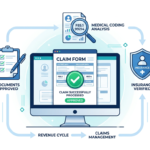
For healthcare providers and billing departments, denied claims are more than just an administrative hurdle; they are a direct threat to the financial health of the practice. Statistics suggest that a significant percentage of claims are denied on the first submission, and many of these are never resubmitted, leading to billions in lost revenue annually across the industry.
To protect your bottom line, you need a systematic approach to identify, appeal, and prevent denials. This guide outlines actionable strategies to help you recover revenue faster and streamline your billing cycle.
Step 1: Categorize and Prioritize Denials
Not all denials are created equal. The first step in a faster recovery process is to organize incoming denials into categories such as: missing information, coding errors, lack of medical necessity, or coverage eligibility issues.
Once categorized, prioritize them based on the dollar value and the “timely filing” deadline. Focus your immediate energy on high-value claims that are closest to their appeal deadline. Utilizing advanced tools like NP Collaborator can help practices streamline their clinical documentation, which often reduces the initial risk of denials related to coding accuracy.
Step 2: Identify the Root Cause
A denial code on an Explanation of Benefits (EOB) is often just the tip of the iceberg. You must dig deeper to find out why the error occurred. Was it a front-desk mistake during insurance verification? Did the provider fail to document a specific required finding?
By identifying the root cause, you move from simply “fixing” a claim to “solving” a process. If you find that a specific payer consistently denies a certain procedure code, it may be time to update your internal billing rules for that specific insurance carrier.
Step 3: Standardize the Appeal Process
Time is money in the world of revenue cycle management. Create standardized appeal templates for your most common denial types. These templates should include:
- The patient’s information and claim number.
- The specific reason for the appeal.
- Clear evidence or documentation supporting why the claim should be paid.
- References to the payer’s own policy or clinical guidelines.
Having these templates ready allows your billing team to respond to denials in hours rather than days, significantly shortening the time it takes to get paid.
Step 4: Leverage Technology and External Resources
Manual tracking of denials in spreadsheets is often inefficient and prone to human error. To truly accelerate revenue recovery, healthcare organizations should leverage technology that automates the tracking of claim status.
In addition to software, networking with other professionals can provide insights into how different payers are handling specific claims. Platforms and resources offered by NP Collaborator can be invaluable for Nurse Practitioners and healthcare leaders looking to stay informed about industry standards and best practices in practice management.
Step 5: Implement a Feedback Loop for Prevention
The most effective way to recover revenue faster is to ensure it never gets tied up in the first place. Establish a monthly “Denial Task Force” meeting where the billing team shares the top five denial reasons with the clinical and administrative staff.
When the front desk understands that a missing middle initial causes a 30-day delay in payment, or when a provider realizes that a specific diagnosis code is no longer accepted for a procedure, they are more likely to improve their accuracy at the point of service.
Final Thoughts
Recovering revenue from denied claims doesn’t have to be a slow, draining process. By categorizing denials, automating your response system, and focusing on root-cause prevention, you can ensure your practice remains financially resilient. Consistent monitoring and using the right professional resources will keep your revenue cycle moving forward.