Every day, millions of healthcare claims traverse digital networks, carrying sensitive patient information from providers to insurers, pharmacies, and other healthcare entities. Behind these transactions lies a critical framework designed to protect patient privacy and security: the Health Insurance Portability and Accountability Act (HIPAA). Understanding HIPAA compliance in claims processing and healthcare data exchange isn’t just a regulatory requirement—it’s a fundamental responsibility that affects patient trust and organizational reputation.
For healthcare professionals, IT teams, and compliance officers, navigating the complexities of HIPAA can feel overwhelming. Let’s break down what you need to know about maintaining compliance while handling healthcare data.
What is HIPAA and Why Does It Matter?
HIPAA, enacted in 1996, is federal legislation designed to protect the privacy and security of patient health information. The Privacy Rule establishes national standards for how Protected Health Information (PHI) can be used and disclosed. The Security Rule specifies safeguards for electronic PHI (ePHI), while the Breach Notification Rule mandates reporting when patient data is compromised.
In the context of claims processing, HIPAA compliance means that every piece of patient information—from medical history to insurance details—must be handled with the utmost care. This isn’t just about avoiding penalties; it’s about maintaining the trust that patients place in the healthcare system.
HIPAA Compliance in Claims Processing
The Claims Journey and Data Exposure Points
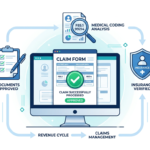
When a patient receives care, a claim is generated and sent through multiple systems and organizations. Each touchpoint represents a potential vulnerability. The claim starts at the healthcare provider’s office, travels through claims clearinghouses, reaches insurance companies, and may involve multiple intermediaries. At each step, patient data is at risk if not properly secured.
Common HIPAA requirements in claims processing include:
- Access Controls: Only authorized personnel should access patient health records. Implement role-based access controls and audit logs to track who views and modifies claims data.
- Data Encryption: All ePHI must be encrypted in transit and at rest. This includes claims data traveling across networks and stored in databases.
- Authentication: Multi-factor authentication and secure login protocols protect against unauthorized access. Passwords should be strong and changed regularly.
- Regular Audits: Continuous monitoring and periodic audits help identify vulnerabilities before they become breaches. Many organizations use automated compliance monitoring tools.
- Business Associate Agreements (BAAs): Any third-party vendor handling ePHI must sign a BAA outlining their obligations to maintain compliance.
Common Compliance Challenges
Many organizations struggle with claims processing compliance because of legacy systems that weren’t designed with HIPAA in mind. Paper records, outdated databases, and manual processes create security gaps. Additionally, the pressure to process claims quickly sometimes conflicts with taking time to implement robust security measures.
Another challenge is managing vendor relationships. When multiple third parties touch claims data, ensuring they all meet HIPAA standards becomes complex. Each vendor represents a potential weak link in your compliance chain.
Healthcare Data Exchange Compliance
The Broader Landscape of Data Sharing
Beyond claims processing, healthcare organizations exchange data for various purposes: care coordination, research, public health reporting, and quality improvement. Each type of exchange has specific HIPAA requirements.
The main principles governing healthcare data exchange compliance include:
- Minimum Necessary Rule: Only share the minimum amount of PHI required to accomplish the intended purpose. Don’t send complete medical records when only specific test results are needed.
- Use and Disclosure Limitations: Data shared for one purpose shouldn’t be used for another without explicit authorization or legal basis.
- Interoperability Standards: As healthcare systems increasingly use standardized formats for data exchange (like FHIR and HL7), compliance must account for these technologies and their inherent security considerations.
- Patient Rights: Patients have the right to know what data is being shared and with whom. Organizations must maintain disclosure logs and respond to patient requests for information about their data sharing.
Navigating Complex Data Exchange Scenarios
Healthcare data exchange compliance becomes particularly challenging in scenarios involving multiple organizations and diverse healthcare providers. Consider modern collaborative practice models where Nurse Practitioners (NPs) work alongside collaborating physicians across multiple states, or where physicians coordinate care across different clinical settings. Each provider needs secure access to patient records while maintaining HIPAA compliance.
In collaborative healthcare settings, the complexity multiplies. When NPs and physicians collaborate—whether through established practice arrangements or platform-facilitated connections—they must exchange patient data securely. This requires formal agreements, documented workflows, and secure communication channels. Platforms like NP Collaborator help streamline NP-MD collaboration by providing structured partnerships with legal agreements in place from the start. While such platforms facilitate professional matching and collaboration logistics, the underlying healthcare data exchange still requires robust HIPAA compliance measures.
In multi-provider collaboration scenarios:
- Legal Agreements Matter: Formal collaboration agreements should explicitly address HIPAA compliance responsibilities. Who handles what data? How will patient information be shared? What are the security protocols?
- Shared EHR Access: When collaborating providers need access to the same electronic health records, access controls become critical. Each provider should only see data relevant to their role in patient care.
- Multi-State Considerations: Collaborations spanning multiple states add complexity. Providers must comply with both federal HIPAA requirements and state-specific privacy laws, which sometimes impose stricter standards.
- Communication Infrastructure: Secure messaging between collaborating providers is essential. Use encrypted email, secure patient portals, or dedicated healthcare communication platforms—never standard email or SMS for sensitive patient information.
When evaluating collaboration platforms or tools for healthcare practice, always verify they support HIPAA compliance documentation, help facilitate proper legal agreements, and provide secure infrastructure for data exchange. The best platforms make compliance easier, not harder.
Best Practices for Maintaining HIPAA Compliance
1. Develop a Comprehensive Compliance Program
Don’t treat HIPAA compliance as a one-time project. Create an ongoing program that includes regular risk assessments, staff training, and continuous monitoring. Assign clear responsibility for compliance oversight within your organization.
2. Invest in Staff Training
Many breaches result from human error. Ensure all employees who handle ePHI receive regular HIPAA training. Training should cover password management, phishing awareness, proper data handling, and incident reporting procedures.
3. Implement Technical Safeguards
Deploy encryption, firewalls, intrusion detection systems, and regular backups. Use secure data transmission protocols like SFTP, HTTPS, and secure direct protocols for claims exchange. Keep all systems patched and updated.
4. Maintain Detailed Documentation
HIPAA requires extensive documentation of your compliance efforts, including risk assessments, policies, training records, and audit logs. This documentation is crucial both for demonstrating compliance and for incident investigation if a breach occurs.
5. Establish an Incident Response Plan
Despite best efforts, breaches can happen. Have a documented plan for responding to security incidents, including procedures for containment, notification, and reporting to regulatory authorities. Know your obligations under the Breach Notification Rule.
6. Vet Your Business Associates
Before engaging any vendor, clearinghouse, or partner to handle ePHI, conduct a thorough security assessment. Verify their HIPAA compliance status, request audit reports if available, and ensure BAAs are in place and regularly reviewed.
7. Establish Clear Protocols for Collaborative Practice Arrangements
For NPs collaborating with physicians or other multi-provider scenarios, establish crystal-clear documentation about data handling responsibilities. When using platforms that facilitate professional collaboration—like NP Collaborator for NP-MD partnerships—ensure the collaboration agreements explicitly address:
- Which provider has primary responsibility for patient records and HIPAA compliance
- How patient data will be shared between collaborating providers
- Access rights and limitations for each provider role
- Procedures for breach notification and incident response
- Regular audits of access logs and data exchanges
Multi-state collaborations require extra attention to ensure compliance with each state’s specific privacy requirements, which may exceed federal HIPAA standards.
Key Takeaway: HIPAA compliance is not a destination but a continuous journey. Organizations must stay informed about regulatory updates, emerging threats, and evolving best practices to maintain effective compliance programs.
The Bottom Line
HIPAA compliance in claims processing and healthcare data exchange is complex, but it’s manageable with the right approach. By understanding your obligations, implementing robust technical and administrative safeguards, and fostering a culture of compliance throughout your organization, you can protect patient data while maintaining efficient operations.
Remember that HIPAA compliance isn’t just about avoiding fines—though the potential penalties are significant. It’s about protecting patient privacy, maintaining trust, and contributing to a healthcare system where sensitive information is handled with appropriate care.
Whether you’re a small practice, a large healthcare system, or a vendor supporting multiple organizations, the principles remain the same: know your data, secure your systems, train your people, and stay vigilant. In doing so, you’re not just meeting regulatory requirements—you’re upholding a fundamental commitment to patient privacy and security.
Ready to strengthen your compliance program?
Start by conducting a comprehensive risk assessment of your claims processing and data exchange systems. Identify gaps, prioritize remediation efforts, and establish ongoing monitoring practices. Your patients—and your regulators—will thank you for taking compliance seriously.oritize remediation efforts, and establish ongoing monitoring practices. Your patients—and your regulators—will thank you for taking compliance seriously.